
Kernel Hearts
A debut with a genuinely distinct voice — magical-girl tropes filtered through an Argentine studio's own cultural lens, a transformation mechanic that's actually load-bearing, and a soundtrack nearly every reviewer singles out — let down by combat that both critics and players independently describe as inconsistent and undertuned.
Media
Ephemera Games is a Buenos Aires studio making its debut with Kernel Hearts, published by Whitethorn Games. The pitch, in the developer’s own words, draws from Nier: Automata, Devil May Cry, and character action games: four magical girl soldiers in the M.A.H.O.U. Unit, climbing the Tower of Babel to fight angels and demons and ultimately depose God, trying to save the last of humanity from a world buried in ash. Three weeks after launch, it sits at Mostly Positive on Steam — and reads as a genuinely split game among the people who’ve reviewed it.
A genuinely distinct voice
What nearly every review agrees on, positive or not, is that Kernel Hearts doesn’t look or feel like a straightforward magical-girl pastiche. The writing filters familiar Japanese mahou shoujo tropes through what one reviewer called South American warmth and melancholy, giving the cast — captain Fernet and her squad — a voice that reads as specific rather than borrowed. Mechanically, the game breaks from the standard roguelite room-gauntlet formula with more open, explorable level design, which more than one outlet called a genuine breath of fresh air for the genre. The transformation sequences that give the game its central hook aren’t just a cosmetic payoff either — building toward and triggering a magical-girl transformation is woven directly into the combat’s risk-reward loop, giving it real mechanical weight. The soundtrack comes up as a highlight across nearly every review, positive or critical.
Where the gameplay doesn’t quite land
The recurring problem is everything underneath that style. A detailed Steam review and at least two outlets independently flag the same specific issues: hitboxes that feel inconsistent, enemy attacks that read as under-telegraphed, and dodge timing that’s genuinely hard to parse mid-fight. The metaprogression meant to drive “one more run” momentum is widely described as hollow — chip unlocks often amount to buffs in the single-digit percentages, small enough that they barely register in combat, which undercuts the sense of growth the genre depends on. Difficulty also spikes noticeably from the third map onward, and several reviewers note that core mechanics go under-explained, leaving newer players to piece systems together themselves.
A real split in opinion
It’s worth being direct about how divided the response has been rather than smoothing it into a single consensus. Outlets like NoobFeed (80/100), GameCritix, Gameffine, and No Small Games landed positive to very positive, consistently praising the style, soundtrack, and boss fights even while noting rough edges. RPGFan landed more measured — impressed by the style and scope, held back by poorly tuned enemies and frustrating late-run platforming. At least one outlet, I Dream of Indie, panned it outright, calling the combat dull and the game mediocre throughout. That spread, alongside Steam’s own 76% positive score, suggests a real love-it-or-bounce-off-it split rather than a universally agreed-upon verdict.
Verdict
Kernel Hearts is a first swing from a small studio that clearly has a voice worth paying attention to — the writing, the cultural filter on familiar tropes, and the soundtrack are all genuine strengths, and the transformation mechanic is more than set dressing. But the combat it’s all built on is the thing both critics and players keep landing on as unfinished, and the progression system doesn’t yet give runs the escalating sense of power the genre runs on. If the premise and the co-op appeal to you, it’s an easy recommendation with tempered expectations on the fighting itself; if you’re coming strictly for tight, well-tuned roguelite combat, you may want to wait and see how Ephemera patches it.
More to read
DELTARUNE
Five chapters in and picking up speed, Toby Fox's Undertale successor is still the best bullet-hell RPG being made, and it's arriving faster than anyone expected.
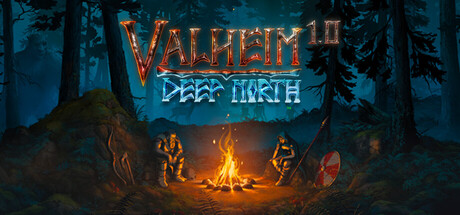
Valheim
Five and a half years in Early Access ends with a final biome that's genuinely worth the wait — undercut in its first two weeks by the most complete mod-breakage event in the game's history, which is most of the reason recent reviews sit well below the all-time score.
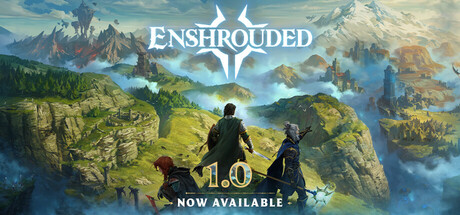 NEW
Enshrouded
After nearly two years and nine months in Early Access, Keen Games' voxel-building survival RPG leaves with a polished 1.0: the best building tools in the genre, sturdier combat, more zones and dungeons. Launch-week performance complaints and a thin story are the main marks against it.
Comments
0